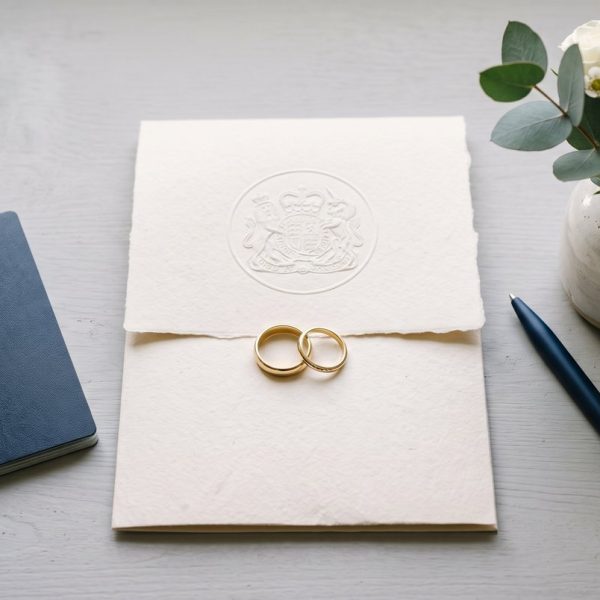
A marriage certificate is one of the few documents that follows a couple through almost every official process: visa applications, name changes, mortgages, pension claims and school registrations. When that certificate was issued abroad, marriage certificate translation becomes the step that decides whether a UK office will accept it or send it back. Getting it right the first time saves weeks.
When You Need Marriage Certificate Translation in the UK
Any authority in the UK that receives a certificate in another language will want an English version it can rely on. The Home Office asks for one with spouse and partner visa applications, local registrars require it before recording a change of status, and banks or solicitors may ask for it when you prove your identity or buy property. Even if the original is in a language the officer can vaguely read, they are not permitted to guess.
The rule of thumb is simple. If the certificate is not in English, or Welsh in certain cases, assume you need a full translation. Ask the receiving office what form of translation it expects before you order, because requirements differ between a visa application and a routine bank check.
What a Certified Translation Must Include
The requirements for certified translation are remarkably consistent across different document types. Whether it is a marriage certificate, a diploma or a legal contract, the certification statement and translator credentials follow the same principles. Couples handling Japanese paperwork will find the same standards apply through professional
certified translation services
A translation for official use is normally certified, which means the translator or agency adds a signed and dated statement confirming that the text is complete and accurate. The statement usually gives the translator's name, contact details and qualification. Many UK bodies also want the translation to be clearly linked to the original, with a copy of the source document attached.
The wording of the translation itself matters just as much as the certificate. It should follow the layout of the original: names of the spouses, date and place of marriage, the registry, the reference number and any annotations. Stamps and seals are described in square brackets. A good certified translation UK providers offer will never tidy up a document or leave things out because they look unimportant.
For an overview of what officers look for in practice, this guide to marriage certificate translation for visas and immigration outlines the usual checkpoints in plain language.
Couples often discover they need the same care for other papers on the same application. Using professional certified translation services for every certificate keeps formats consistent from the first page to the last. That uniformity makes an officer's check faster. It also reduces the chance of one document being queried while the others pass.
Names, Dates and Places: Where Errors Creep In
The most common cause of rejection is a mismatch between the translation and the passports. If a spouse's name is spelt one way on the certificate and another in the passport, the translator should follow the certificate but note the variant in a comment when it is clearly the same person. Tell your translator about any alias, maiden name or transliteration before work begins.
Dates are the next trap. A date written 03/04/2024 is the third of April in the UK and the fourth of March in some other countries. Ambiguity like that is why careful translators write the month out in words. Places of marriage should be given in the form used by the issuing authority, with the modern English name added only if it helps.
Some certificates also carry historical calendars or regional formats. A skilled translator recognises these and converts them without losing the original entry. If you want to see how such records are defined and what they usually contain, the article on the marriage certificate covers the basics.
Apostilles, Legalisation and Original Documents
Some countries require the certificate itself to carry an apostille before it can be used abroad. If that applies to you, obtain the apostille first and then translate the whole set, including the apostille page. Translating first and legalising later can leave a gap between the two documents that an officer will notice.
Do not send your only original unless you are asked to. Scans are usually fine for a translator, and the certified translation will be issued as a PDF, a paper copy or both. Ask which the recipient needs, since some visa portals accept uploads while others want posted paperwork.
Choosing the Right Provider
Look for a company that names its translators, offers a clear certification statement and answers questions before you pay. Price matters, but so does the ability to fix a problem quickly. A provider that corrects a typo without charge and reissues the certificate the same day is worth more than a slightly cheaper one that disappears after delivery.
It also helps to see how the same provider treats similar documents. If you need a birth certificate for a child on the same application, this birth certificate translation UK guide shows how the process compares. Consistent formatting across all your documents makes the file easier to check.
Couples dealing with marriage certificates, birth certificates, and apostilles on a single application often need more than a one-off translation: a provider of document translation services that handles the full set keeps formatting and certification consistent across every document in the file. Asking one team to translate the whole bundle also means a single point of contact if an officer queries any page. That coordination is what turns a scattered pile of certificates into a submission an officer can check in minutes.
Applicants sometimes compare notes on forums such as r/UKVisa, where people describe how their translations were received. Treat these stories as anecdotes, not rules, and always confirm current requirements with the office handling your case.
A Simple Checklist Before You Submit
Couples navigating UK immigration requirements quickly learn that certified translation is not optional. Professional translation services ensure every certificate meets the exact standards officers expect. That attention to detail prevents costly delays and rejected applications.
Check that every name matches your passports, that the certification statement is signed and dated, that seals and stamps are noted, and that the translation is attached to a clear copy of the original. Keep a digital copy of everything. If a request for more information arrives months later, you will be glad to have the full set in one place. With those points covered, marriage certificate translation stops being a source of anxiety and becomes a routine step on the way to the outcome you actually care about.